Showing posts with label pastel. Show all posts

Saturday, November 16, 2013

At the workshop

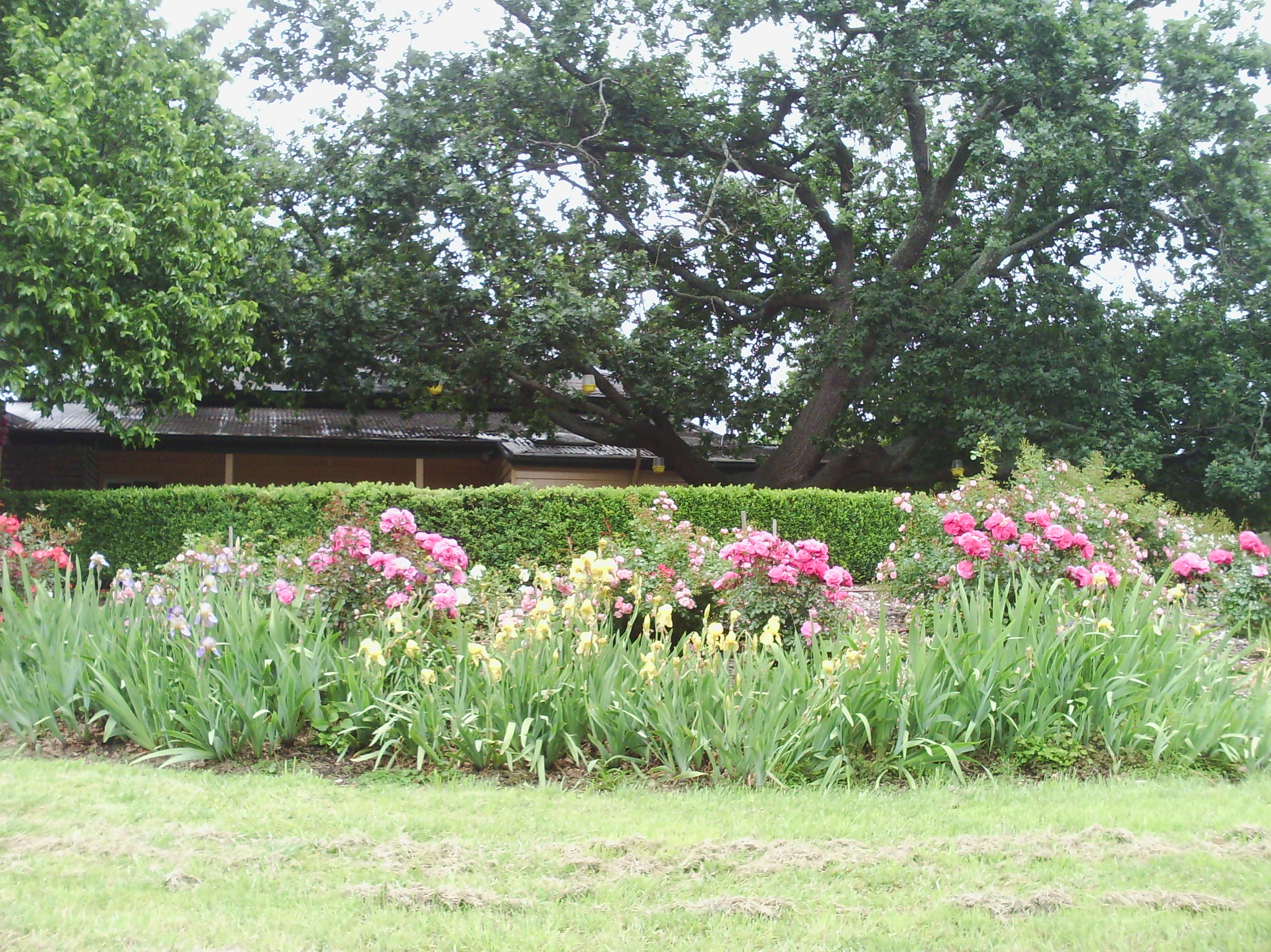
Today I went to a soft Pastel workshop given by Max Wilks run by a nearby Art Group some of my friends go to.  We were at a gorgeous old homestead in a national park with gardens tended by the local  garden club.
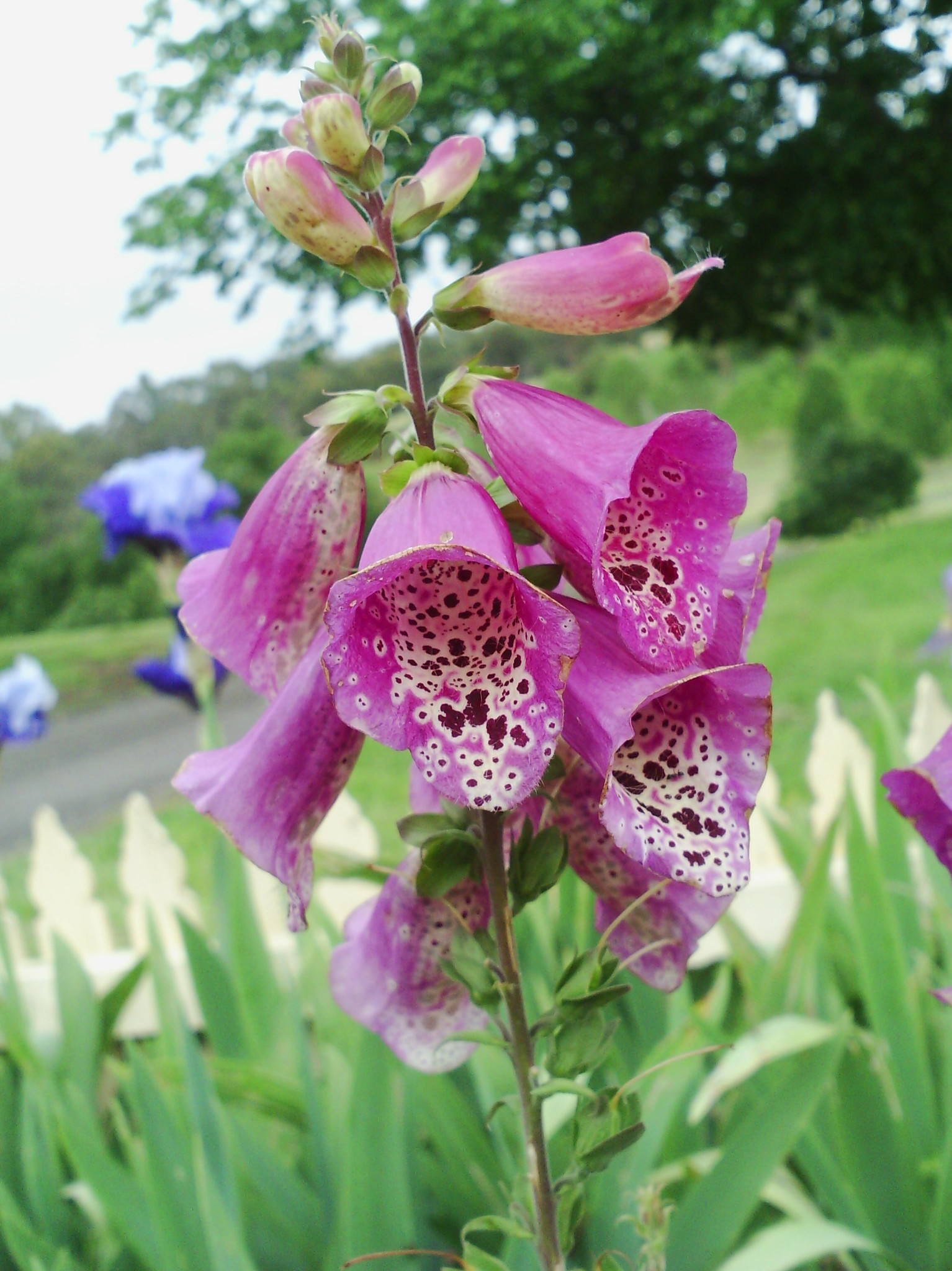
Here are some of the gardens. there was also lots of lawns, a lake and an orchard.
I took a lot of pictures, which I won't post all today.
This was the picture I settled on for my painting.
And this is where I got to with my painting.  I still have a way to go, but I decided to wait until I have blown up the photo to do the details, since my camera screen is only the size of a business card and I was getting quite tired.
But I'm sure I have done my AEDM challenge for today, particularly as I hadn't touched my pastels in several years!
Happy Creating!

Wednesday, April 4, 2012

lots of leaves

Today's ATC happened in a round about way.
I had been looking at Julie Fei Fan Balzer's Blog and this post caught my eye. I have this book Scraptastic by Ashley calder, but haven't spent much time on it, so I  thought, why not?
This was one of the ideas in chapter 1.  Stamped molding paste.  I used an ivy leaf stamp which I have three sizes of.  The colour was scrapings from chalk pastels, which I brushed on, and then wrote the text with a fine tipped brush and some watercolour.  What I found was that it was easier to actually stamp the stamp in the chalk powder, then onto the molding paste, as I got a better image.
This is my practice page in one of my altered books.
And while we are at it, here are a few other more recent additions to these books.
This one I don't think is quite finished, but it has some interesting ideas on it.  The black edge was liquid shoe polish spomged on, then when that was dry I sponged on some pale green watercolour.  The ferns, or leaves, were just done with markers, but I am still thinking over the next step.
This page, as you can see, is the one facing the leaf page.  Since I had my pastels out (which doesn't happen very often these days), I thought I would have a play.  soft pastels are very concentrated pigment.  what I did here was scrape them so that the powder was sitting on the page.  Then I sprayed the page with water and stood the book up to let it drip.  This reminds me of a wisteria arbour  and i might actually turn it into one, but it needs thinking.
This was an experiment with waxed paper.  I scrunched up a large piece of waxed paper, then opened it out and ironed it onto the paper.  Then I put some dilute watercolour over the page and you can see the pattern it made, sort of a parchment type look or a leather look.  (The splotches were on the page before I started).
These two are parts from a page that I used under my work on this and other occasions.  Usually, I dampen the page before I start, so that and drips will spread on it.

A very papery day today, with not much stitch in it.


Sunday, November 27, 2011

Snow gum bark

Sorry about yesterday, folks, the hubby came home from town with a nasty cough and headache, so I didn't get onto the net, but today has been a great day for creating!
I have been wanting to have a go at screen printing for a while and I decided today was just the day.  I need some fabric for the bark on my snow gums in the landscape I am working on.
Remember this sketch?  At present I am working on the leafy layer, but will be needing some tree bark soon.
Here's my stylised sketch of some snow gum bark.  It's very bright, isn't it?  But for anyone out there who has never seen a snow gum, here, here and here are a few links that will show you that my sketch is actually a little subdued.
I am not using a store bought screen, just a piece of organza stretched on a frame, then covered around the edges with duct tape.  It worked really well for me. Kerr Grabowski, in Adventures in surface design, said it works ok for most things.
Here are my home made bits and pieces on my table wich has been lined with some old fabric..
The printing boards are made from polystyrene sheets cut from a box, with batting and fabric added on top.
 I started out by laying a paper stencil down, and pulling some yellow and brown down it.
The result was interesting, but not quite what I wanted, but I could see some interesting streaks where the colours went together.  (You will notice I am just using some scrap floral fabric), so I got rid of the stencil and went with lots of colours.
I think my textile paint really needed to be thinned a bit, as I had trouble getting it on as you can see.
But this was the result and I was really pleased with the textures created by the different colours streaking.
I made two of these (actually four, because the fabric was two screens long) and here are the final results

I was really quite pleased with these, and went on to make two more slightly different ones
This one had a colour range that is totally over the top, but I loved it and the streaky texture.
This one was more in keeping with my colour range for my tree, but a little toned down for the less bright parts of the tree.
The next thing I wanted to try was using pastels.
 On this piece of fabric, I screened with the leftover paint from my waste (just because I liked the browny colour of it) and then put a texture plate underneath the fabric (simply made by drawing lines with hot glue on cardboard)

The lines that came up are from drawing a square pastel over the texture plate.  I can see with a bit more fiddling, this technique might be useful for making lines.  Next time, I will try it with string glued to the card to get more consistent lines.

 The next thing I tried was drawing with the pastels on the screen.  Above is a screen with lines drawn in pastel,  It transferred well, when I squeegeed some extender across it, but I couldn't help but get my fingers dirty.  As the fabric was wet, I just hoed in and added more pastel by hand.
After this I dispensed with the screen and did some playing around with pastels.
Here are two long skinny bits of fabric ironed onto freezer paper and then drawn on with pastels.
Then I just painted over them with diluted textile medium and a great big brush. Now that the fabric was wet, it fell off the freezer paper and needed to be pinned, but I found that the pastel really went on well, so I added some more.
This reminded me of when we were at kindergarten and we used those hard faber-castel chalks on wet cartridge paper, so...
I just wet some newspaper and had a go...and I really liked it.  When the paper is wet, the pastel goes on quite thick and some colours are a little opaque (black and white), whilst others (bright red) are a little transparent.
The newspaper was very thin and fragile, but I liked the semi transparent texture.  I think I might have to try this out with my next batch of fabric paper.

So all in all, It was a very productive day. I do find, that when I play around like this I am more likely to find things I like and will use again.  Serendipity.

There's a lot more experimenting I need to do with the screen, but also with the wet fabric and dry media.  I wonder if......
Tuesday, March 22, 2011

Pastel painted fabric

As I said in my earlier blog on crayon, I much prefer to use pastel for this sort of work.  Probably because I have thousands and am familiar with them from painting.
Below, I have got some fabric laid out on top of parchment.  I would not use newspaper for this process, because the process involves wetting and the newsprint might transfer, or even wors, stick to the fabric when drying. (ask me how I know)  The box of pastels at the top is a pack of windsor and newton and is there as a reminder to me to explain a few things.
Firstly, the more you pay for the pastels, the better result, or more vibrant colours you will get.  This is because dry pastels are made of mostly pure pigment, and a filler or binder, which allows them to be shaped.  However, with just chalk, or student grade pastels, the amount of filler is greater and the pigment therefore is less.  Student grade will work, but not as well as artist quality from a reputable brand.  There is a positive side and that is that dry pastels can be bought individually at most art supply stores (not department stores, real art stores) They will cost 3 to 5 dollars each and for this sort of work will last a reasonable amount of time.
My second point is that I usually add pastels as a powder and because they are mostly pigment, they are very  bright even if only a little is added.  When colouring fabric, the less you have to add, the less it will alter the hand of the fabric and unless you add a lot of pastel, the hand is pretty much the same.
Above you can see my tools for this project.  All that is required is a knife or blade to scrape the side of the pastel and create powder.  Even a sharp paring knife will do, so long as it can scrape.  You can also use a nail file or sand paper, but it will get clogged with powder and you will end up wasting a fair bit.
Here you can see I have put some powder on the fabric.  It doesn't look like much does it?
But when I spray it with water, the colour starts to develop.  I actually use a solution of Alum instead of water, and this serves the purpose of fixing the pigment into the fabric (You can get Alum crystals from the pharmacist, you may have to order it because it is not an everyday item) Alum is the mordant used in most printer fabric.
In the above sample I have smudged the pastel with my fingers after letting it soak for a while.  You need to make sure all the pastel dust is wet.  Any that is not wet will not enter the fabric and will fall off when you are finished.  And you definitely do not want this stuff around when you are finished as it will stain.
In this one I used a small paint brush to smudge the pastel a bit.
In this one i used a large flat ended stencil brush and rotated it on the dust to make  whorls, or whirpools of colour.
And this one was not altered in any way, the pastel simply soaked in.
I couldn't wait to finish, so I ironed the fabric dry.  Because there is little other than pigment, ironing doesn't really alter the effect like it does with some fabric paints.
And here are some high res pictures of the finished fabric.
No brushing
rotating stencil brush
small strokes with brush
smearing with fingers
As you see it is very easy to get very vibrant colours with this technique.  And there are more ways than these to use them.  
That is for another lesson.
The fabric above was treated twice,  the first layer was pale green and i used the stencil brush, then I put the dark green on top as a sprinkling and allowed it to soak.  If you want the pigment to spread more, you need more fluid.
The sample above was using the smearing technique (Fingerpainting I call it).  If you have been following this blog, you would know that I have a fascination with tree bark textures and this was another experiment in creating bark.  I simply scraped lines of a handful of browns and ochres, sprayed then smeared.  It took all of 30 seconds and I was very pleased with the result.
It really is worth experimenting with this technique.  I would love to see some of your results.

In Art, there is no such thing as a failed experiment, only experiments with interesting results.

Thursday, March 10, 2011

paintings

Almost forgot to put something up.
I have been ill all day, still have to go down to town for a few days.  Tomorrow now.

Some fresh pastel paintings have come to light,  now that I am back at Art Group
This is blue Kingfisher, which is a kookaburra cousin.  I really liked the wood texture.
Some eggs, which DH told me looked like kiwi fruit
A pair....of pears
Some strawberries, up close and personal
A pussy cat, black like my babies, as lazy as they are too

Hopr you liked this brief glimpse into my art world.  More tomorrow